
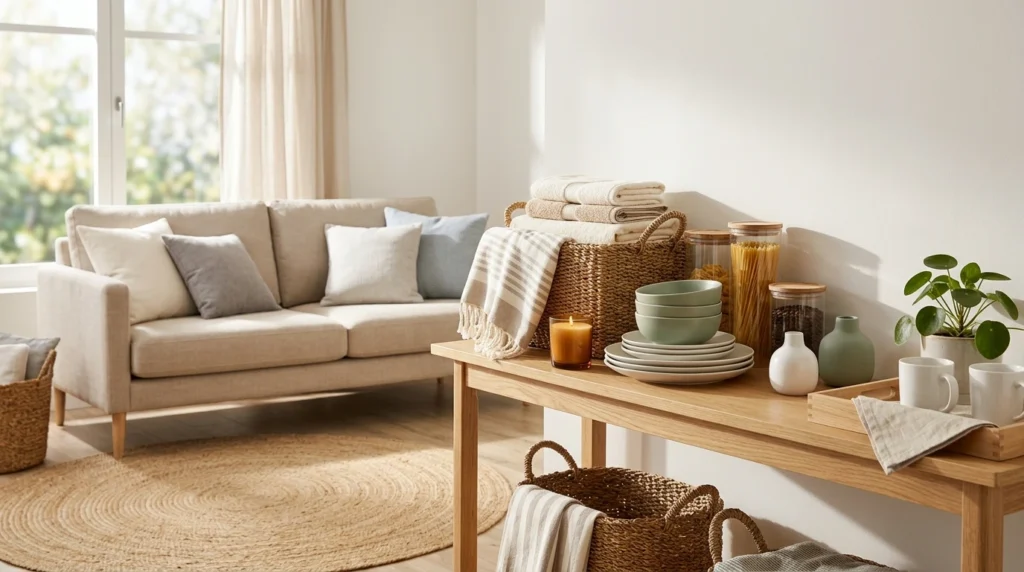

Home Goods: A Practical Guide to Choosing and Buying Them
Home goods can change the look, comfort, and functionality of a home without requiring a major renovation. From kitchen essentials and bedding to storage baskets, towels, rugs, and decorative accessories, smaller household purchases can have a noticeable effect on everyday life.
The challenge is knowing what is actually worth buying, where to spend more, and which items you can purchase at a lower cost. A quick visit to a home goods store can easily turn into a collection of items you did not originally plan to buy.
A little planning can make shopping more useful and less expensive. This guide explains what home goods are, the main categories to consider, how to evaluate quality, and practical ways to avoid unnecessary purchases.
What Are Home Goods?
Home goods are everyday products used to furnish, organize, decorate, maintain, or improve different areas of a home. They are generally smaller than major furniture pieces and can often be replaced or updated without changing the entire room.
Common examples include:
- Bedding and bed linens
- Kitchenware and cookware
- Towels and bath accessories
- Storage baskets and containers
- Candles and decorative accessories
- Picture frames and wall decor
- Rugs and soft furnishings
- Cleaning and household organization products
Home goods can serve practical and decorative purposes at the same time. A new set of towels may improve everyday comfort, while a rug, vase, or decorative accessory can refresh the appearance of a room without requiring a large investment.
Why Home Goods Matter in Everyday Living
Small household items are easy to overlook, but they can have a direct effect on how a home feels and functions.
Well-organized storage can reduce clutter, comfortable bedding can make a bedroom feel more inviting, and practical kitchen tools can make everyday cooking easier.
Home goods can also provide a relatively simple way to refresh a room. Instead of replacing a sofa, bed, or dining set, you may be able to change smaller details such as cushions, rugs, towels, storage baskets, lighting accessories, or decorative pieces.
The key is to choose products that solve a practical problem, improve comfort, or genuinely contribute to the appearance of the space.
Main Categories of Home Goods
Home goods are commonly organized into broad categories. Understanding these categories can help you shop more efficiently and avoid overlooking items that could improve your everyday routine.
1. Kitchen and Dining
Kitchen and dining products include cookware, dishes, glasses, cutlery, food-storage containers, serving pieces, and smaller kitchen tools.
Because these products are often used frequently, durability, ease of cleaning, and practical design are important considerations.
Before buying a new item, ask yourself whether it fills a genuine need or duplicates something you already own. A small collection of reliable kitchen tools can often be more useful than a large collection of items that are rarely used.
2. Bedding and Bath
This category includes sheets, pillowcases, blankets, comforters, pillows, towels, bath mats, and other bedroom and bathroom essentials.
Comfort and material quality matter because these products are often used every day.
When choosing bedding, consider the fabric, breathability, washing requirements, and climate where you live. For towels, absorbency, softness, drying time, and durability may be more important than decorative details.
3. Home Decor
Decorative home goods include candles, vases, picture frames, wall art, decorative trays, ornaments, and similar accessories.
These products can introduce color, texture, and personality into a room.
You do not need a large collection of decorations. A few carefully selected pieces can often create more impact than filling every available surface.
4. Storage and Organization
Storage products include baskets, boxes, bins, drawer organizers, shelf dividers, closet accessories, and containers.
These products can be especially useful when a room feels cluttered or difficult to organize.
Before buying storage products, measure the space where they will be used. A container that looks useful in a store may not fit properly inside the cupboard, shelf, drawer, closet, or cabinet where you planned to place it.
5. Cleaning and Household Essentials
Some homes goods are less decorative but extremely practical. Cleaning tools, laundry accessories, waste bins, cloths, brushes, organizers, and other household supplies can make everyday tasks easier.
Since these items may be used frequently, choosing products that are durable, comfortable to use, and easy to maintain can provide better value over time.
How to Shop for Home Goods Without Overspending
Home goods are often available at relatively accessible prices, which can make impulse purchases tempting. A simple shopping strategy can help you stay within your budget.
Make a List Before Shopping
Start by identifying what you actually need.
Walk through your home and note items that need replacing, areas that need better organization, or rooms that could benefit from a small update.
A simple list makes it easier to distinguish between useful purchases and products that only attract your attention temporarily.
Check Quality Instead of Looking Only at Price
The cheapest item is not always the best value.
For fabric products, check the stitching, material, and care requirements. For kitchen tools, look at the construction, handles, joints, and finish. For storage products, consider whether the material is strong enough for the items you plan to store.
A product that lasts longer may provide better value than a cheaper item that needs to be replaced repeatedly.
Compare Sizes Before Buying
An item can look relatively small on a store shelf but take up much more space at home.
Check the dimensions before buying baskets, rugs, storage containers, organizers, or decorative accessories. This is particularly important when shopping for compact kitchens, bathrooms, bedrooms, and apartments.
Shop Seasonal Sales Carefully
Many stores reduce prices at the end of a season or when clearing older stock.
For example, blankets and heavier bedding may be discounted after colder months, while outdoor accessories may receive discounts toward the end of summer.
Seasonal shopping can be useful when you have enough storage space and know that you will use the item later.
Balance Budget and Quality
You do not have to spend the same amount on every product.
It may make sense to spend more on items that receive heavy daily use, such as cookware, bedding, towels, or frequently used storage products.
At the same time, inexpensive decorative accessories can be a sensible choice when they are easy to replace or are used mainly for seasonal updates.
Where Should You Spend More and Where Can You Save?
A simple way to manage a homes goods budget is to separate products that receive heavy use from those that are mainly decorative.
| Category | Consider Spending More On | Areas Where You May Save |
|---|---|---|
| Bedding | Frequently used sheets and pillows | Decorative blankets and seasonal accents |
| Kitchen | Cookware and everyday utensils | Small specialty gadgets |
| Decor | Long-term statement pieces | Seasonal decorations |
| Storage | Strong containers used frequently | Basic organizers for light use |
| Bath | Frequently used towels | Decorative bath accessories |
This does not mean more expensive products are automatically better. Compare materials, construction, warranty information, expected lifespan, and intended use before deciding whether a product offers good value.
Choosing Home Goods for Different Rooms
The best home goods depend on the needs of each room.
Kitchen
Focus on practical products that support cooking, food storage, cleaning, and organization. Avoid buying gadgets that perform tasks you rarely do.
Bedroom
Prioritize comfort and organization. Bedding, pillows, blankets, bedside accessories, and storage products can improve the room without major changes.
Bathroom
Look for absorbent towels, practical storage, easy-to-clean accessories, and products that help keep everyday toiletries organized.
Living Room
Rugs, cushions, lamps, decorative objects, baskets, and storage solutions can make the space more comfortable without overcrowding it.
Entryway
Small storage products such as baskets, trays, hooks, key holders, and shoe organizers can make an entryway easier to keep tidy.
Practical Questions to Ask Before Buying
Before paying for a home goods item, ask yourself:
- Do I actually need it?
- Where will I use it?
- Do I already own something that performs the same function?
- Will it fit the available space?
- Is it easy to clean and maintain?
- Is the material suitable for regular use?
- Will I still find it useful several months from now?
- Does it work with the items I already own?
These questions can help prevent unnecessary purchases and make it easier to build a home that feels intentional rather than crowded.
Choosing More Sustainable Household Products
Some shoppers prefer products made from natural, recycled, renewable, or longer-lasting materials. Choosing durable products can also reduce the need for frequent replacement.
When comparing products, look beyond general marketing claims and check the actual material, construction, expected lifespan, care requirements, and packaging where relevant.
Buying fewer products that you will use for a long time can be a practical approach to reducing unnecessary household waste.
How to Get More Value From the Home Goods You Already Own
Buying new products is not always the best way to improve your home.
Before shopping, consider whether you can:
- Rearrange existing items.
- Repurpose a basket or container for another room.
- Replace a small component instead of the whole item.
- Repair a damaged product where practical.
- Reorganize a cabinet, drawer, or shelf.
- Refresh the room with existing textiles or accessories.
Sometimes a simple change in placement or organization can solve a problem without requiring another purchase.
Final Thoughts
Home goods may be smaller than major furniture pieces, but they can have a significant effect on how a home looks, feels, and functions. The right kitchen tools can make daily tasks easier, better storage can reduce clutter, and a few carefully selected decorative items can refresh a room.
The best approach is to shop with a purpose. Make a list, measure your space, compare quality, and consider how often an item will actually be used.
You do not need to spend a fortune to create a comfortable home. Thoughtful choices, practical products, and a willingness to use what you already own can make your space feel more organized, functional, and personal.
Frequently Asked Questions
What is considered a home good?
Home goods are everyday products used for decorating, organizing, furnishing, cleaning, maintaining, or improving a home. Examples include kitchenware, bedding, towels, storage containers, rugs, cleaning products, and decorative accessories.
Are home goods the same as furniture?
Not usually. Furniture generally refers to larger pieces such as sofas, beds, dining tables, wardrobes, and cabinets. Home goods is a broader category that often includes smaller household products and accessories.
When is the best time to buy seasonal home goods?
End-of-season sales can offer useful discounts on products associated with a particular season. However, compare prices and buy only when you have a realistic plan to use and store the item.
Are expensive home goods always better?
No. Price alone does not guarantee quality. Consider the material, construction, durability, warranty, care requirements, and intended use before deciding whether a product offers good value.
How can I update my home on a small budget?
Start with simple changes such as new cushion covers, a rug, towels, storage baskets, lighting, or a few decorative accessories. Focus on items that solve a practical problem or noticeably improve the room rather than buying products simply because they are available.