
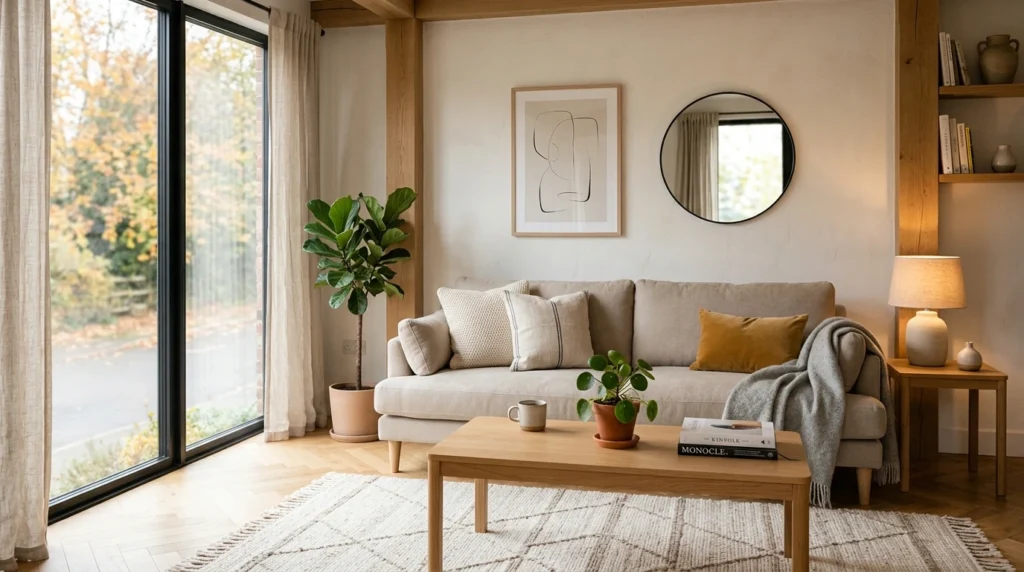

Introduction
15 Simple Home Decor Ideas for Beginners to Improve Your Space When you start decorating your home for the first time, it can feel difficult to know where to begin. You may wonder which colors to choose, what furniture to add, or how to make the space look attractive without spending too much money.
The good news is that decorating your home does not require expensive furniture, large shelves, or complicated designs. Simple changes can make a room feel more comfortable, organized, and personal.
A few thoughtful updates, such as changing the color scheme, improving lighting, adding plants, or rearranging furniture, can make a noticeable difference. These simple home decor ideas for beginners can help you improve your space gradually without feeling overwhelmed or spending everything at once.
15 Simple Home Decor Ideas for Beginners
1. Start With a Simple Color Scheme
Choosing a simple color scheme is one of the easiest ways to create a coordinated look. Start with two or three colors that work well together. One can be the main color, while the others can be used as supporting shades.
For a calm and timeless appearance, consider colors such as white, beige, cream, soft gray, or muted green. You can introduce brighter colors through cushions, curtains, artwork, or other small accessories.
2. Declutter Before Decorating
Before buying new decorations, remove items that you no longer use or need. A clean and organized room can look much better without adding a large number of decorative pieces.
Sort your belongings into three simple groups:
- Keep
- Donate
- Discard
Once unnecessary items are removed, you will have a better idea of how much space is actually available for furniture and decoration.
3. Add Some Greenery
Plants can give a room a fresh and welcoming appearance while adding natural color and texture.
If you are new to caring for plants, start with varieties that are relatively easy to maintain and suitable for the amount of natural light available in your room. You can also use artificial plants when natural light is limited or when you prefer a low-maintenance option.
4. Use Decorative Cushions
Decorative cushions are an easy way to introduce color, pattern, and texture to a sofa, chair, or bed.
Try combining a few cushions in complementary colors or patterns rather than using too many different designs. A small, well-balanced arrangement can make furniture look more inviting without creating visual clutter.
5. Hang Simple Wall Art
Empty walls can sometimes make a room feel unfinished. Photographs, prints, paintings, or simple wall art can add personality and visual interest.
You do not need to decorate every wall. Consider choosing one wall as a focal point and keeping the other walls relatively simple. This creates a more balanced appearance.
6. Improve Your Lighting
Lighting can dramatically affect how a room looks and feels. Instead of relying on one ceiling fixture, consider combining different types of lighting.
Table lamps, floor lamps, wall lights, and small decorative lights can create different layers of illumination. Warm lighting is often suitable for bedrooms and living rooms because it can create a softer and more relaxing atmosphere.
7. Add a Rug
A rug can add warmth, texture, and visual definition to a room. Choose a size that works with your furniture arrangement rather than selecting one that is too small or too large.
For a flexible starting point, a neutral-colored rug can work with many different decorating styles. Consider how the rug’s color, pattern, and texture coordinate with your furniture and flooring.
8. Use Mirrors
A well-placed mirror can reflect natural or artificial light and help a room feel brighter and more open.
Position the mirror where it can reflect light or an attractive part of the room. A simple framed mirror can also add style without taking up much floor space.
9. Keep Furniture Balanced
Good furniture placement can make a room easier to use and more comfortable to move through.
Leave enough space for people to walk naturally around sofas, chairs, tables, and other furniture. Before buying anything, measure both the furniture and the available space to make sure the proportions work together.
Avoid placing too many large pieces in one area, especially in a small room.
10. Decorate With Personal Items
Your home should reflect your personality rather than looking like a showroom.
Consider displaying a few meaningful items such as family photographs, books, travel souvenirs, handmade pieces, or objects that have personal significance.
You do not need to display everything you own. Selecting a few meaningful pieces can create a more personal and organized appearance.
11. Use Baskets for Storage
Baskets can combine practical storage with decoration. They can be used to organize blankets, books, toys, accessories, or other everyday items.
Choose baskets that complement the room’s colors and materials. Woven baskets, for example, can add a natural and textured look to living rooms and bedrooms.
12. Change Small Details
You do not always need to replace large pieces of furniture to refresh a room. Small changes can make a noticeable difference.
Consider updating:
- Curtains
- Cushion covers
- Bed sheets
- Lampshades
- Table decorations
- Wall prints
- Decorative accessories
These smaller updates can be easier on your budget and allow you to experiment with different colors and styles.
13. Create a Focal Point
A focal point gives the room a visual feature that naturally attracts attention. It could be a large painting, an attractive sofa, a decorative mirror, a fireplace, or an accent wall.
Choose one main feature rather than making every item in the room compete for attention. Supporting decorations should complement the focal point instead of overpowering it.
14. Mix Textures
Combining different textures can make a room feel more interesting, comfortable, and layered.
Try mixing materials such as:
- Wood
- Glass
- Metal
- Cotton
- Linen
- Wool
- Woven fabrics
For example, a wooden table combined with soft cushions, a textured rug, and woven accessories can create a warmer and more inviting atmosphere.
15. Avoid Buying Everything at Once
You do not need to decorate your entire home in one day. Taking your time can help you understand what your space actually needs.
Start with the most important areas, make a few changes, and then evaluate the result before buying more items. Decorating gradually can also help you avoid unnecessary purchases and make better decisions about your budget and personal style.
Simple Home Decor Ideas at a Glance
| Idea | Simple Action |
|---|---|
| Color scheme | Choose two or three coordinated colors |
| Decluttering | Remove unused or unnecessary items |
| Plants | Add easy-care greenery |
| Lighting | Combine ceiling lights with lamps |
| Wall art | Create one main display area |
| Storage | Use baskets to organize everyday items |
| Mirrors | Use mirrors to reflect light |
| Textures | Combine different materials and fabrics |
How to Decorate Your Home on a Budget
Decorating does not always require a large budget. Before purchasing new items, look for ways to improve the space using things you already have.
You can:
- Rearrange your existing furniture.
- Create simple DIY decorations.
- Buy secondhand furniture and refresh it.
- Replace only outdated or unnecessary items.
- Change cushions, curtains, or other small accessories.
- Decorate one room or area at a time.
Small improvements can add up over time without putting unnecessary pressure on your budget.
Common Home Decorating Mistakes Beginners Should Avoid
Beginners can easily make decorating decisions that create clutter or make a room feel unbalanced. Being aware of a few common mistakes can make the process easier.
Buying Too Much Decor
One of the simplest home decor ideas for beginners is to avoid buying too many decorative items. Too much furniture or decoration can make a room feel crowded and leave less space for comfortable movement.
Start with a few useful or meaningful pieces and add more only when the room genuinely needs them.
Ignoring Room Size
Furniture should be proportional to the available space. Large furniture can overwhelm a small room, while very small pieces can look out of place in a large room.
Measure your space before buying furniture and consider the amount of walking space that will remain afterward.
Following Trends Too Closely
Decorating trends can provide inspiration, but they do not need to determine every decision in your home.
Choose styles, colors, and furniture that suit your space and personal preferences. A room that reflects your lifestyle is more likely to remain enjoyable even when trends change.
Using Too Many Colors
Using too many unrelated colors can make a room feel visually busy. A simple palette of one main color with one or two supporting shades is often easier to coordinate.
You can still add stronger colors through smaller accents such as cushions, artwork, plants, or decorative objects.
FAQs About Simple Home Decor
What is the easiest way to decorate a home for beginners?
Start by removing unnecessary items, choosing a simple color scheme, improving the lighting, and adding a few practical decorative elements. Making changes gradually can make the process easier and less expensive.
How can I decorate my home without spending much money?
Try rearranging existing furniture, changing cushions or curtains, adding plants, using mirrors, creating simple DIY decorations, or purchasing selected secondhand items. Small changes can refresh a room without requiring a major renovation.
What should I decorate first?
Start with the room you use most often. Make practical changes first, such as improving furniture placement, lighting, and storage, and then add decorative elements that complement the space.
How many colors should I use in a room?
There is no fixed rule, but a simple combination of one main color and one or two supporting shades can make it easier to create a coordinated look. Additional colors can be introduced through small decorative accents.
Conclusion
These simple home decor ideas for beginners show that decorating does not have to involve expensive furniture or complicated changes. A thoughtful color scheme, better lighting, useful storage, greenery, and a few personal touches can make a home feel more comfortable and welcoming.
Take your time and avoid trying to decorate everything at once. Start with the areas that need the most attention, make a few practical changes, and build on them gradually. With a little planning and creativity, you can create a home that feels organized, comfortable, and personal without overspending.