
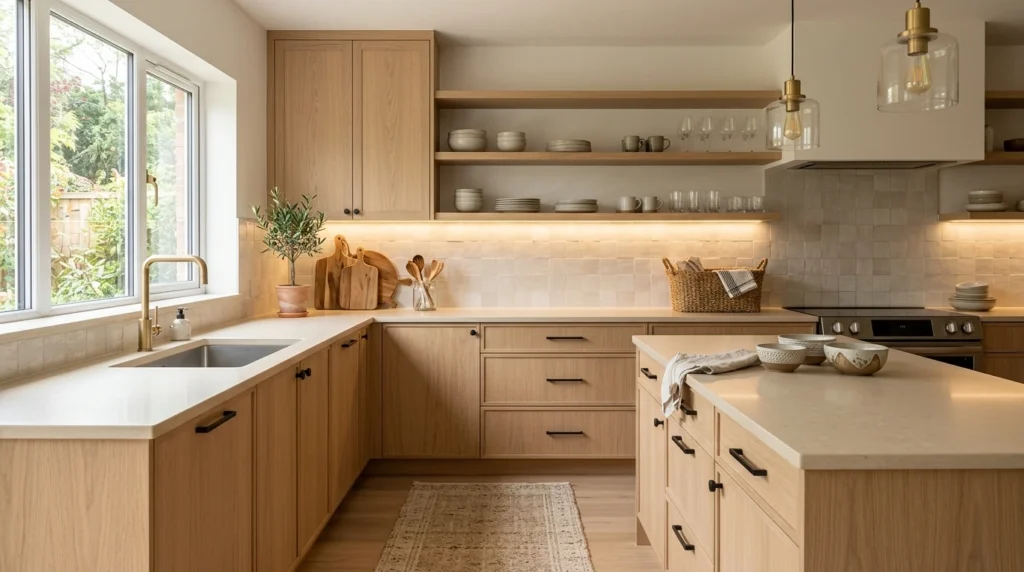

Kitchen Decor: Stylish Ideas for a Beautiful and Functional Space
Kitchen decor ideas can improve both the appearance and functionality of one of the most frequently used rooms in a home. Kitchens are often where meals are prepared, conversations happen, and family and guests gather, so creating a space that feels comfortable and organized can make everyday life more enjoyable.
Refreshing a kitchen does not always require a major renovation. Simple changes such as updating accessories, improving lighting, adding plants, organizing countertops, or introducing new colors and textures can make a noticeable difference.
Follow a Cohesive Color Scheme With Kitchen Decor Ideas
A coordinated color scheme is one of the easiest ways to make a kitchen look more polished.
Start with one main color and add one or two supporting shades. Neutral colors such as white, cream, beige, gray, and soft wood tones can create a timeless foundation. If you prefer a more colorful kitchen, introduce stronger shades through cabinetry, barstools, artwork, rugs, cushions, or smaller accessories.
Try to repeat selected colors throughout the kitchen so the different elements feel connected rather than random.
Add Small Accessories for Personality
Decorative accessories are an easy way to add personality and warmth without making major changes.
Consider using:
- Decorative bowls and trays
- Vases
- Artwork
- Small plants
- Attractive storage containers
- Cutting boards
- Ceramics
- Coordinated kitchen towels
The key is moderation. Too many items on countertops or shelves can make a kitchen feel cluttered and make everyday cleaning more difficult.
Choose a few pieces that are attractive and useful rather than trying to decorate every available surface.
Keep Kitchen Decor Practical
Kitchen decor should support the way you actually use the room.
Pendant lighting can create a focal point above an island or dining area, while under-cabinet lighting can improve visibility on work surfaces. A combination of ambient, task, and accent lighting can make the kitchen both more practical and visually appealing.
For additional kitchen inspiration, see these kitchen design ideas.
Choose lighting that feels comfortable for the way you use the kitchen. Softer, warmer light can work well during meals and evenings, while brighter task lighting can be useful for food preparation and cleaning.
Add Texture and Natural Elements
Natural materials can make a kitchen feel warmer and more inviting.
Consider introducing materials such as:
- Wood cutting boards
- Woven baskets
- Ceramic containers
- Stone accessories
- Natural wood shelves
- Indoor plants
Plants can add color and texture while bringing a natural element into the room. Choose varieties that are suitable for the available light and the level of care you can provide.
Keep Countertops Organized
A clean countertop can make the entire kitchen appear more spacious and organized.
Keep frequently used appliances and tools accessible, but store items that are rarely used inside cabinets or drawers when possible. Grouping similar items together can also make the kitchen easier to use.
Clearer countertops provide more preparation space and reduce the need to move decorative items whenever you cook or clean.
Use Open Shelving Carefully
Empty walls can provide useful opportunities for both storage and decoration.
Open shelves can display attractive dishes, plants, cookbooks, ceramics, or carefully selected accessories. However, too many objects can quickly turn open shelving into a source of visual clutter.
Leave some empty space between groups of items and avoid filling every shelf from end to end. A balance of displayed and empty space can make the arrangement feel more intentional.
Make Small Kitchens Feel More Spacious
Decorating a small kitchen can be challenging because both storage and counter space are limited.
Use vertical storage wherever possible, such as tall shelves, wall-mounted organizers, rails, and hooks. Choose furniture and accessories that are appropriately scaled for the room.
Lighter colors can help create a brighter appearance, while mirrors or reflective surfaces may help distribute available light. Keep countertops relatively clear and avoid oversized decorative pieces that reduce useful workspace.
For additional ideas on making the most of compact spaces, consider our other kitchen organization and decorating guides.
Use Textiles to Add Color and Texture
Textiles are an easy and relatively flexible way to refresh a kitchen.
Consider using:
- Area rugs or runners
- Curtains
- Kitchen towels
- Seat cushions
- Table linens
These items can introduce color and texture without requiring permanent changes. They can also be changed seasonally, making them a practical option for refreshing the room over time.
For kitchens, choose materials that are easy to clean and suitable for areas where spills and frequent use are common.
Choose Decor That Is Easy to Maintain
A kitchen is a working space, so decorative choices should be practical as well as attractive.
Avoid placing delicate or difficult-to-clean items near cooking surfaces or sinks. Instead, choose materials and accessories that can handle regular cleaning.
Before adding a decorative object, consider whether it will improve the room or simply create another item that needs to be moved or cleaned.
Good kitchen decor should make the room feel better without making everyday tasks harder.
Create a Balanced Mix of Style and Function
A successful kitchen design balances beauty with practical use. Decorative elements should work alongside storage, lighting, appliances, and work surfaces rather than interfering with them.
When deciding whether to add something new, ask:
- Does it improve the appearance of the kitchen?
- Does it serve a useful purpose?
- Is there enough space for it?
- Will it be easy to clean?
- Does it work with the existing colors and materials?
A few thoughtful choices are usually more effective than filling the room with accessories.
Final Thoughts
The best kitchen decor ideas combine attractive details with practical solutions. Creating a beautiful kitchen does not have to be expensive or complicated.
Start with a coordinated color scheme, improve the lighting, introduce natural textures, organize countertops, and make thoughtful use of wall space. In smaller kitchens, prioritize vertical storage and appropriately sized accessories.
Whether your kitchen is large or compact, modern or traditional, or simple and minimalist, a few carefully chosen changes can create a space that feels welcoming, organized, functional, and personal.
For more inspiration, organization ideas, and decorating guidance, explore HomeNestGlow.