
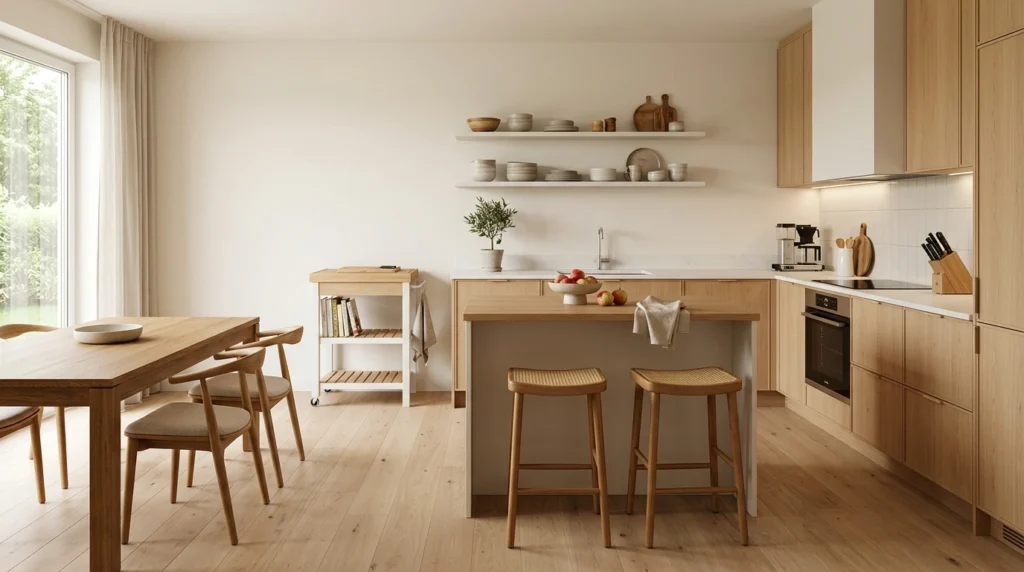

Kitchen Chairs: A Complete Guide to Choosing the Right Ones
Choosing kitchen chairs is not simply a matter of picking a style you like. The right seating should fit your available space, match the height of your table or counter, provide enough comfort for everyday use, and work with the overall look of your kitchen.
Kitchen Chairs seating can serve many purposes. It may be used for family meals, morning coffee, homework, working from home, or conversations with guests. Whether you have a full-size dining table, a compact breakfast nook, or an island with stools, the right choice can make the room more comfortable and functional.
This guide explains what to consider when choosing kitchen chairs, including size, height, materials, comfort, color, cleaning, seating capacity, and overall design.
1. Measure Your Kitchen Space First
Before looking at chair designs, measure the area where the seating will go. This simple step can prevent you from buying chairs that make the kitchen feel crowded.
Measure the available floor space and think about how the chairs will be used. People need room to pull a chair backward, sit down, stand up, and move around without constantly bumping into cabinets or other furniture.
For smaller kitchens, chairs with narrow frames and compact dimensions can help preserve valuable floor space. In a larger kitchen or dining area, wider chairs or designs with armrests may be more practical.
Also consider the distance between neighboring chairs. Even a well-designed table can become uncomfortable when too many seats are squeezed into a limited area.
2. Choose the Correct Kitchen Chair Height
Chair height should suit the surface where the chair or stool will be used. A seat that is too high can make your legs feel cramped, while one that is too low may leave you reaching awkwardly toward the table or counter.
Measure the distance from the floor to the underside of your table, counter, or island before making a purchase. This helps you check whether there will be enough space for your knees and legs.
| Seating Type | Typical Surface Height | Suitable Seating |
|---|---|---|
| Dining table | About 28–30 inches | Dining chair |
| Kitchen counter | About 34–36 inches | Counter-height stool |
| Bar-height surface | About 40–42 inches | Bar-height stool |
These ranges are useful starting points, but furniture dimensions vary between manufacturers. Always check the actual measurements of both your kitchen surface and the chair before ordering.
For dining tables, pay attention to the distance between the seat and the underside of the table. For kitchen islands and counters, check both the stool height and the amount of knee space available beneath the work surface.
3. Pick a Material That Suits Your Household
Kitchen chairs are exposed to everyday activity, including meals, spills, cleaning, and frequent movement. The best material depends on how your household uses the kitchen and how much maintenance you want to handle.
Wooden Chairs
Wooden Kitchen Chairs bring warmth and a natural character to the room. Depending on the finish and shape, they can work with farmhouse, rustic, traditional, Scandinavian, and contemporary interiors.
Natural wood, painted finishes, and stained surfaces all create different effects, so consider the color of your cabinets, flooring, and table when choosing a finish.
Best for: Homeowners who want a warm, durable, and timeless appearance.
Metal Chairs
Metal seating can create a modern or industrial look. Many metal designs have smooth surfaces that are easy to wipe clean, which can be helpful in busy kitchens.
Look for strong construction and a finish designed for regular indoor use. Rounded edges and a comfortable seat design can also make a difference.
Best for: Contemporary kitchens, industrial interiors, and high-use spaces where easy cleaning matters.
Plastic Chairs
Plastic chairs are lightweight, flexible, and available in many shapes and colors. They can be easy to move around and can work particularly well in casual eating areas.
Their simple maintenance can also make them practical for households that want seating that can be cleaned quickly after meals.
Best for: Casual Kitchen Chairs, smaller spaces, and buyers looking for lightweight seating.
Upholstered Chairs
Upholstered Kitchen Chairs can make a dining area feel softer and more comfortable, especially when people spend a lot of time sitting at the table.
However, fabric requires more attention when spills are common. Choose durable upholstery and follow the manufacturer’s cleaning instructions.
Best for: Dining spaces where comfort is especially important.
4. Coordinate the Chairs With Your Kitchen Style
Your kitchen chairs do not have to match every piece of furniture exactly. A better approach is to make sure the chairs complement the colors, finishes, and overall character of the room.
Modern Kitchen
Choose Kitchen Chairs with clean shapes, straight lines, and limited decoration. Black, white, gray, natural wood, and understated finishes can work well.
Farmhouse Kitchen
Natural wood, traditional silhouettes, and slightly rustic finishes can reinforce a welcoming farmhouse atmosphere.
Minimalist Kitchen
Simple forms and restrained details usually work best. Avoid overly decorative chairs if the rest of the room has a clean and uncluttered appearance.
Colorful Kitchen
Neutral Kitchen Chairs can balance bright cabinets or walls. Alternatively, colorful seating can become an attractive accent when the rest of the kitchen uses quieter tones.
The objective is not to create an exact match. Instead, look for a combination that feels intentional and balanced.
5. Put Comfort Before Appearance
A Kitchen Chairs can look beautiful and still be uncomfortable for everyday use.
Think about what normally happens around your kitchen table. If people use it for breakfast, long family meals, homework, reading, or working on a laptop, comfort should be one of your main priorities.
Look for:
- A supportive backrest
- A comfortable seat shape
- Enough room for your legs
- The correct seat height
- Stable construction
- A design that allows you to sit naturally
Padding can make some chairs more comfortable, but it is not the only factor. The shape, depth, back support, and proportions of the chair are equally important.
6. Select a Color That Fits the Room
Kitchen chairs can influence the overall mood of the space even when they are not the main design feature.
Neutral shades such as white, beige, gray, black, and natural wood are flexible options because they can work with many cabinet and wall colors.
For a more expressive look, consider chairs in a contrasting shade. Deep green, blue, terracotta, or another accent color can add personality to a kitchen with neutral walls and cabinetry.
Think about the visual effect you want. Chairs that closely coordinate with the surrounding furniture can create a calm appearance, while contrasting seating can draw attention to the dining area.
Also think about practical cleaning. Pale upholstery can show marks more easily than darker fabrics or smooth, wipe-clean materials.
7. Consider Cleaning and Maintenance
Kitchen seating should be easy enough to maintain for the way your household actually lives.
Smooth surfaces such as finished wood, metal, and certain plastic materials are generally convenient for handling everyday spills. Fabric-covered chairs may require more care, especially when young children, pets, or frequent entertaining are involved.
Pay attention to the chair’s construction as well. Deep grooves, complicated detailing, and difficult-to-reach areas can collect crumbs and dust.
Before buying, check:
- How the surface should be cleaned
- Whether the material is stain-resistant
- Whether replacement covers are available
- Whether the finish can withstand regular cleaning
- Whether the design has areas that are difficult to reach
For a busy Kitchen Chairs, simple construction and durable materials can make everyday maintenance much easier.
8. Decide How Many Kitchen Chairs You Need
The size of your table does not automatically tell you how many chairs will fit comfortably.
Measure the table and compare it with the width of the chairs you are considering. A common planning guideline is around 24 inches of table width per person, but the ideal amount can vary depending on chair size, table shape, armrests, and how freely people need to move.
Do not forget the space behind the chairs. A chair may technically fit beside the table but still be impractical if there is not enough room to pull it out.
In a small Kitchen Chairs, choosing fewer chairs can sometimes make the room feel more spacious. You can always bring in additional seating when guests arrive.
9. Mix and Match Chairs With Purpose
Different chairs can create an interesting, collected look, but mixing styles works best when there is still some visual relationship between them.
Use Related Colors
Different chair designs can feel connected when they share the same color family or complementary shades.
Repeat a Design Feature
Try using different materials while keeping a similar shape. For example, wooden and metal chairs may work together when their silhouettes are compatible.
Keep the Arrangement Balanced
Avoid putting all of the visually heavy chairs on one side of the table and the lighter designs on the other. Distributing different styles evenly usually creates a more natural result.
The goal is to introduce variety while keeping the dining area visually organized.
10. Choose Chairs Based on How You Use the Kitchen
There is no single style that works for every household. Think about your routine before choosing a chair.
For a Small Kitchen
Look for narrow Kitchen Chairs with a smaller footprint. Designs that slide neatly under the table can help free up walking space when the chairs are not being used.
For a Family Kitchen
Durability and easy cleaning should be major considerations. Choose materials that can handle regular meals and everyday wear.
For an Open-Plan Kitchen
Think about the rooms around the Kitchen Chairs as well. Coordinating the chair color or finish with nearby living or dining furniture can help the entire area feel connected.
For a Kitchen Island
Measure the island carefully before choosing stools. The correct seat height and sufficient legroom are more important than simply choosing a stool because its appearance suits the room.
For Frequent Entertaining
Prioritize comfort and support. Guests are more likely to enjoy long meals and conversations when the seating is comfortable.
11. Check These Things Before Buying
Before placing an order, go through a simple checklist:
- Measure the height of your table, counter, or island.
- Measure the available floor space.
- Check the chair’s width and depth.
- Confirm the seat height.
- Make sure there is adequate knee and legroom.
- Consider how often the chairs will need cleaning.
- Check the materials and construction.
- Consider the weight capacity when relevant.
- Make sure the chairs work with your kitchen’s existing design.
- Check the retailer’s return policy in case the size or comfort is not suitable.
Taking a few minutes to check these details can prevent the common mistake of buying attractive chairs that do not work well in the space.
Final Thoughts
The best kitchen chairs are not necessarily the most expensive or fashionable ones. They are the chairs that fit your space, support comfortable everyday use, suit your household, and complement the design of your kitchen.
Start by measuring your space and determining the correct seat height. Then compare materials, comfort, maintenance, color, and style. When these factors work together, your kitchen seating can become a practical part of the room while also adding to its overall appearance.