
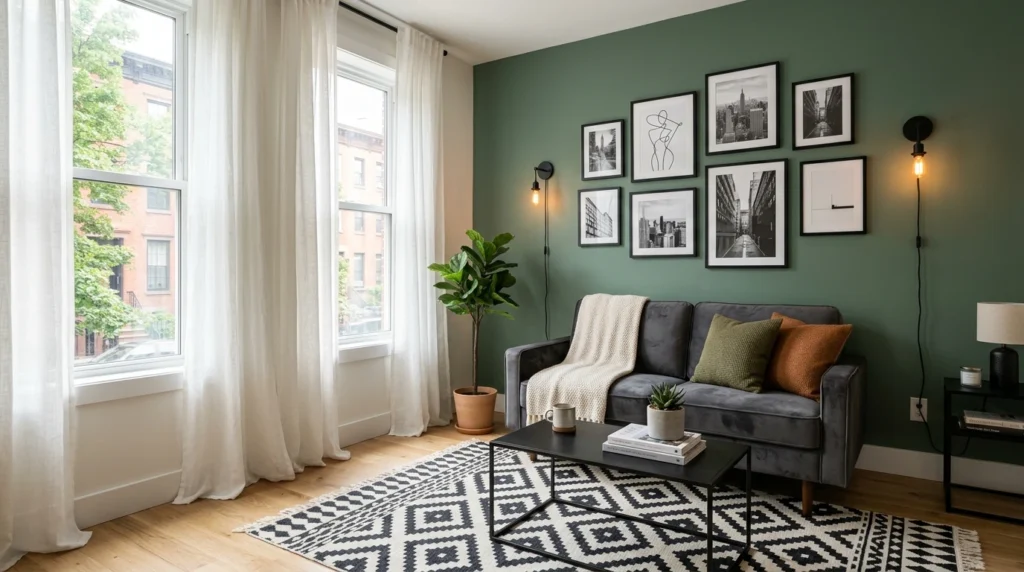

Small Living Room Decorating Ideas
A Small Living Room Decorating Ideas That Actually Make a Difference can still feel bright, comfortable, and stylish. The key is to make thoughtful choices about furniture, color, lighting, storage, and layout so the available space feels open rather than crowded.
You do not need to completely redesign the room to make a difference. A few flexible changes, such as choosing appropriately sized furniture, improving lighting, using vertical storage, and keeping the layout clear, can help even a compact living room feel more comfortable.
Small Living Room Decorating Ideas
Decorating a small living room is often about creating the right balance between furniture and open space. The goal is not to make the room look empty, but to make sure every piece has a clear purpose and the room remains easy to move through.
Whether you live in a small apartment, townhouse, or studio, thoughtful furniture placement and a simple decorating approach can make the space feel more inviting.
Smart Layout Ideas for Small Living Rooms
Choosing Furniture for a Small Space
One of the most common mistakes in small living room decorating is trying to fit too much furniture into the room. Large sofas, oversized tables, and bulky cabinets can block walking paths and make the available space feel even smaller.
Furniture with visible legs can create a lighter visual effect because more of the floor remains visible underneath. Compact sofas, loveseats, and appropriately sized chairs can also provide comfortable seating without overwhelming the room.
Multifunctional furniture can be particularly useful. For example, a storage ottoman can provide seating, serve as a coffee table, and hide blankets or other belongings. Nesting tables can provide extra surfaces when needed and be stacked away when they are not in use.
Before buying anything, measure the furniture and the available room. Pay particular attention to doors, windows, walkways, and the space needed to move comfortably around each piece.
Use Color and Light to Open the Space
Color and lighting can strongly affect how spacious a small living room feels. Light and softly coordinated colors can reflect more available light, while very dark or strongly contrasting colors may make the room feel visually heavier when used extensively.
Consider these ideas:
- Use soft white, light gray, beige, cream, or other warm neutrals for larger surfaces.
- Add a large mirror where it can reflect natural or artificial light.
- Combine floor lamps and table lamps with ceiling lighting to create layers of light.
- Use lightweight curtains or sheer window treatments where privacy requirements allow more natural light to enter.
- Keep the overall color palette relatively simple so the room feels visually connected.
Good lighting can improve both the appearance and everyday function of the room. The U.S. Department of Energy provides additional information about residential lighting and energy-efficient choices.
For more ideas on making a compact living space feel modern and functional, see our guide to modern living room ideas for small spaces.
Smart Layout Tricks for Small Living Rooms
Small Living Room Decorating Ideas That Actually Make a Difference Furniture placement can be just as important as furniture size. Placing every piece directly against the walls can sometimes leave an awkward empty area in the center while making the seating arrangement less useful for conversation.
Depending on the layout, try floating the sofa slightly away from the wall or positioning seating around a clear focal point such as a television, window, or fireplace.
A Small Living Room Decorating Ideas That Actually Make a Difference conversation area can be created with a compact sofa and one or two lightweight accent chairs. The arrangement should still leave clear paths for movement.
Choose the Right Rug Size
Rugs can help visually connect furniture and define a seating area.
A Small Living Room Decorating Ideas That Actually Make a Difference rug that is too small may make the furniture arrangement feel disconnected. When possible, choose a rug large enough for at least the front legs of the main seating pieces to rest on it. This can help create a more unified arrangement.
Make sure the rug does not interfere with doors or important walking paths.
Use Vertical Space
Small living rooms often have more wall space than floor space, so use the walls thoughtfully.
Tall, narrow bookcases can provide storage without taking up as much floor area as wide shelving. Wall-mounted shelves can also display books, plants, photographs, and decorative objects while leaving more floor space open.
Avoid filling every shelf. A few carefully selected items can create visual interest without making the room feel crowded.
Create More Storage Without Adding Clutter
Storage becomes particularly important in a small living room because visible clutter can quickly make the room feel smaller.
Consider practical solutions such as:
- Storage ottomans
- Baskets for blankets and accessories
- Closed cabinets
- Wall-mounted shelves
- Furniture with built-in storage
- Narrow storage units that use vertical space
Where possible, keep less attractive or rarely used items behind closed doors or inside baskets. This helps maintain clearer surfaces and a calmer overall appearance.
Common Mistakes to Avoid When Decorating a Small Living Room
A few common decorating habits can work against the feeling of spaciousness.
Too Little Storage
Without enough storage, everyday belongings can quickly accumulate on tables, floors, and open shelves. Use baskets, drawers, and closed cabinets to keep frequently used items organized.
Too Many Matching Pieces
A complete furniture set is not always necessary. Mixing complementary pieces can give the room more character and allow you to choose furniture based on size, function, and comfort.
Ignoring Scale
Furniture should be proportional to the room. A very large sofa combined with tiny accent furniture can make the room feel unbalanced. Choose pieces that work together in both size and visual weight.
Overdecorating the Walls
Small Living Room Decorating Ideas That Actually Make a Difference Too many pictures, shelves, and decorative objects can make a small room feel busy. Instead, choose one or two focal areas and leave some wall space open.
Blocking Windows and Walkways
Small Living Room Decorating Ideas That Actually Make a Difference Avoid placing large furniture in front of windows when possible, and keep the main walking routes clear. Natural light and open paths can make a compact room feel more comfortable.
Many renters cannot make permanent changes to their homes. Our guide to renter-friendly home decor ideas includes temporary ways to update a space without major alterations.
Frequently Asked Questions
How do you arrange furniture in a small living room?
Start by identifying the room’s main focal point, such as a television, window, or fireplace. Arrange the seating around that point while keeping clear walking paths. Depending on the layout, floating the sofa slightly away from the wall can create a more intentional arrangement.
Should small living rooms have light or dark colors?
Light colors can help a small living room feel brighter and more open, especially when natural light is limited. However, darker colors can also work when used thoughtfully and balanced with appropriate lighting and lighter furnishings.
How do you add storage without making the room feel smaller?
Choose storage that uses hidden or vertical space. Closed cabinets, storage ottomans, baskets, wall-mounted shelves, and narrow furniture can provide useful storage while keeping the main floor area relatively open.
Is it okay to use a large rug in a small living room?
Yes. An appropriately sized rug can help connect the main furniture pieces and make the seating area feel more unified. A rug that is too small may visually divide the room rather than bring it together.
Should all furniture be pushed against the walls?
Not necessarily. The best arrangement depends on the room’s size and shape. In some layouts, moving furniture slightly away from the walls creates a better seating arrangement and more natural flow.
Conclusion
Decorating a small living room does not have to feel restrictive. The right furniture scale, thoughtful lighting, practical storage, and an efficient layout can make a significant difference in how the room feels.
Start by removing unnecessary clutter and choosing furniture that fits the space comfortably. Then improve the lighting, use the walls for storage, and select a rug and accessories that visually connect the room.
You do not have to make every change at once. Begin with one or two improvements and adjust the room as you learn what works best for your space, lifestyle, and personal style.